
“Your Comprehensive Guide to ADU Construction in Los Angeles County: Step-by-Step Insights into Accessory Dwelling Units”
Introduction:
Are you considering expanding your home in Los Angeles County with an accessory dwelling unit (ADU)? This decision can offer a myriad of benefits, from providing extra living space to potentially increasing property value. However, the process involves several steps that need careful attention to ensure a successful project. This comprehensive guide aims to walk you through the entire process of ADU construction in Los Angeles County, offering valuable insights into accessory dwelling units.
:max_bytes(150000):strip_icc()/accessory-dwelling-unit-adu.asp-Final-b8c1a331e7bc407fb442799ed94c38ae.jpg)
Understanding Accessory Dwelling Units (ADUs)
Before we delve into the step-by-step guide, let’s first understand what an ADU is. An ADU, also known as a granny flat, in-law unit, or secondary house, is a smaller, independent residential dwelling located on the same lot as the original (primary) house.
Types of ADUs:
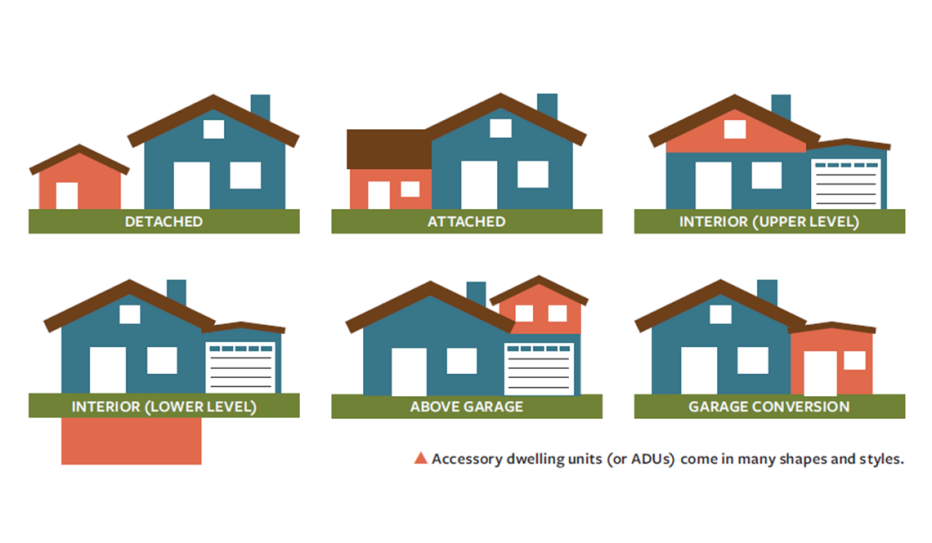
– Detached ADUs: These are standalone units separate from the primary house.
- Attached ADUs: These units are added onto the existing primary house.
- Conversion ADUs: These involve converting an existing part of the primary house, like a garage or basement, into an ADU.
- Property Value: Well-constructed and aesthetically pleasing ADUs can increase your property value.
- Flexibility: ADUs can be used for various purposes, such as a home office, gym, or guest house.
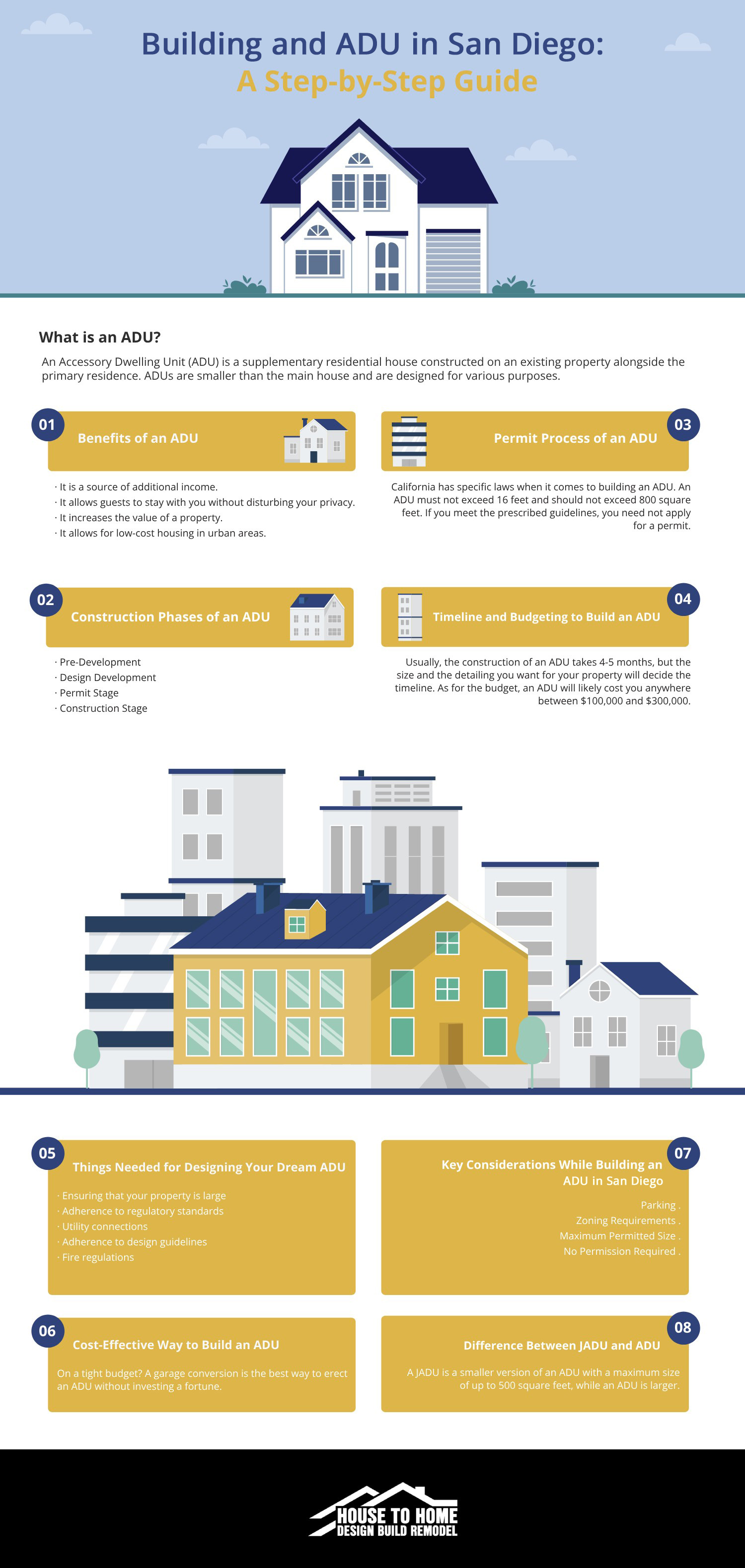
Step-by-Step Guide to ADU Construction in Los Angeles County
Step 1: Planning
The first step is planning your ADU. This includes determining the type of ADU, its size, design, location on your property, and its intended use. Consider consulting with an architect or designer who specializes in ADUs.
Step 2: Understanding Los Angeles County ADU Regulations
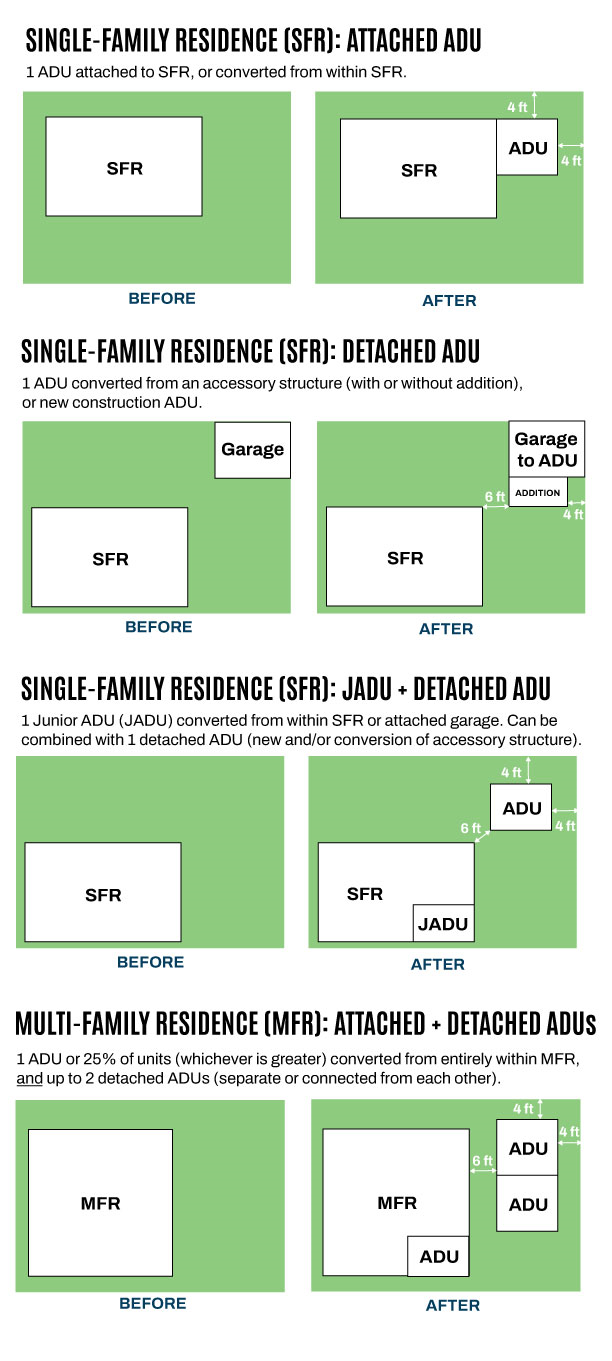
Los Angeles County has specific regulations concerning ADUs, such as size limitations, parking requirements, and property setback rules. Visit the county’s Department of Building and Safety website for comprehensive information.
Step 3: Designing Your ADU
Designing your ADU involves creating a layout that maximizes the available space while ensuring comfort and functionality. Remember, the design must comply with local zoning and building codes.
Step 4: Hiring a Contractor
Hire a contractor experienced in ADU construction. Ensure they are licensed, insured, and come with positive reviews or recommendations.
Step 5: Obtaining Permits
Before construction begins, you’ll need to obtain the necessary permits from the Los Angeles County Department of Building and Safety. Your contractor can often assist with this process.
Step 6: Construction
Once permits are secured, construction can begin. This process can take several months, depending on the complexity of the project.
Step 7: Final Inspection
After construction, the county will conduct a final inspection to ensure the ADU complies with all codes and regulations.
Benefits of Building an ADU in Los Angeles County
– Additional Living Space: An ADU provides extra space for family members, guests, or rental income.
Conclusion:
Constructing an ADU in Los Angeles County is a significant project that requires careful planning and understanding of local regulations. However, with the right approach, the result can be an excellent addition to your property that offers functional living space and potential financial benefits. As you embark on this journey, keep this guide handy to help navigate the process.
Internal links:
Department of Building and Safety
Benefits of Building an ADU
External links:
ADU regulations in Los Angeles County
Types of ADUs