
Los Angeles, an iconic city known for its vibrant culture, has been a hotbed of residential development for decades. As we approach the second half of the 2020s, it’s important to look into the future and predict the trends that will shape the city’s residential landscape. In this article, we’ll explore the key residential development trends in Los Angeles beyond 2025.

A Focus on Sustainable Living
Climate change and environmental sustainability are increasingly becoming a central focus in urban development. The residential sector in LA is no exception.
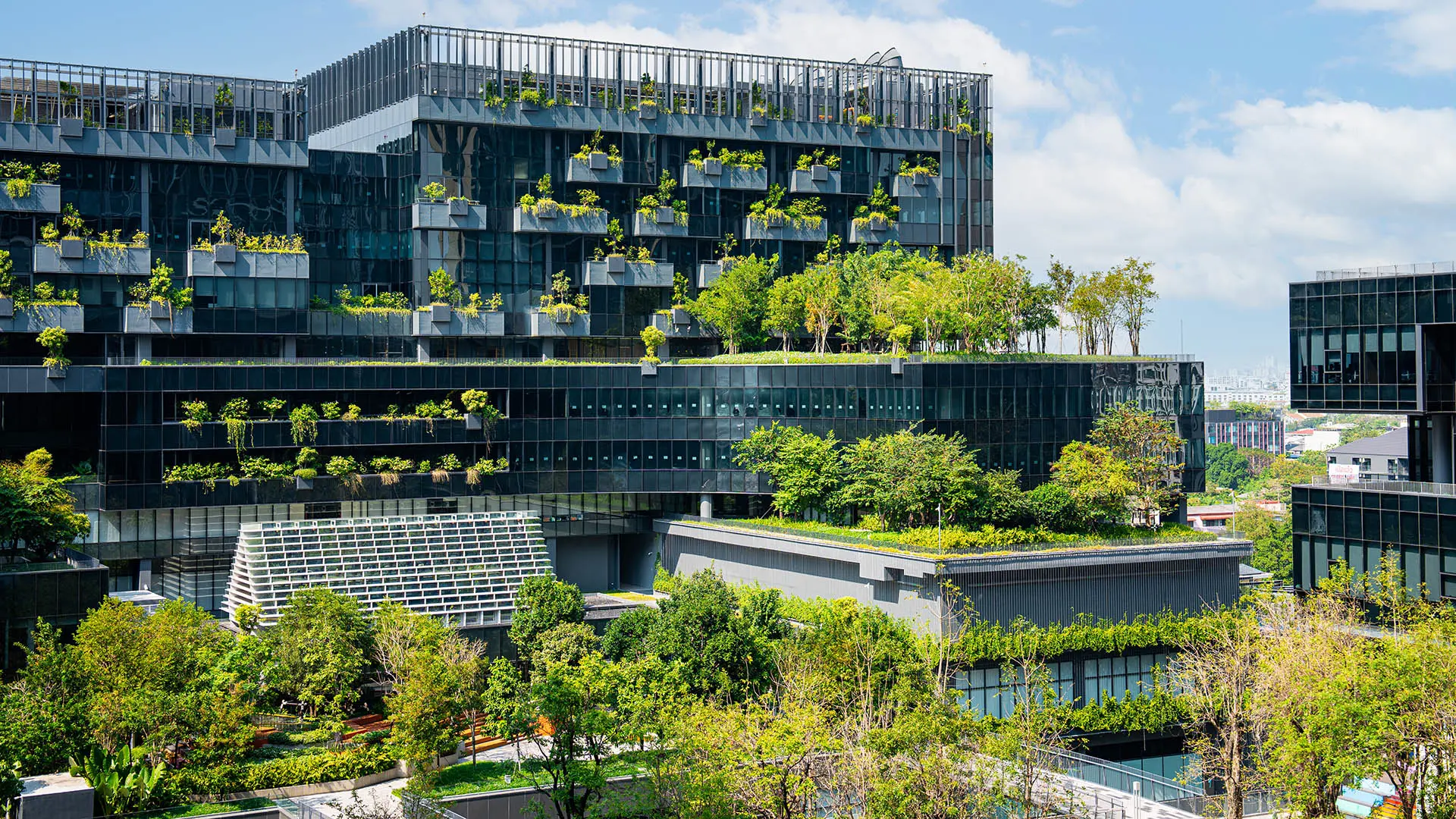
Green Building
Green building practices that minimize the environmental impact are gaining traction. We’re likely to see more residential buildings constructed using sustainable materials, energy-efficient designs, and eco-friendly technologies.

Urban Farming
Urban farming is another trend set to take off. Rooftop gardens and indoor farming technologies can help create self-sustaining communities while reducing the carbon footprint.

Embracing Dense Living
As Los Angeles grapples with a housing shortage, there’s a growing push towards densification.
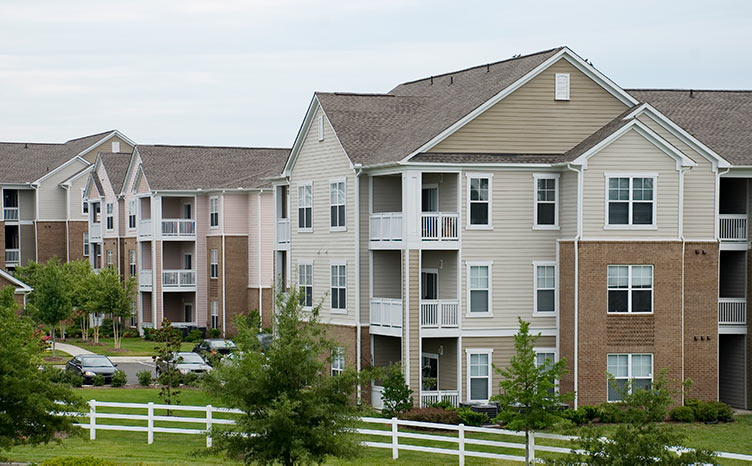
Multi-Family Housing
Expect to see more multi-family housing developments, ranging from duplexes to high-rise apartment buildings. These projects offer a practical solution to housing affordability while promoting a sense of community.
Mixed-Use Developments
Mixed-use developments that combine residential, commercial, and public spaces are also on the rise. These projects foster vibrant, walkable communities where residents have easy access to amenities.
Smart and Connected Homes
Technological innovation is reshaping the residential landscape in LA.
Smart Home Technology
Smart home technology, from automated lighting and heating systems to advanced security measures, is becoming standard in new residential developments. These technologies enhance comfort, convenience, and energy efficiency.
Broadband Connectivity
As remote work becomes more prevalent, broadband connectivity is becoming a crucial feature in residential developments. Expect to see more buildings equipped with high-speed internet infrastructure.
Adapting to Changing Demographics
Los Angeles’ demographics are changing, and residential development trends are evolving to accommodate these shifts.
Aging in Place
With an aging population, there’s a growing demand for housing that allows seniors to age in place. This trend is likely to spur the development of residences equipped with accessibility features and supportive services.
Co-Living Spaces
On the other end of the spectrum, younger generations are showing an increasing interest in co-living spaces. These shared living arrangements offer an affordable and sociable housing solution.
Conclusion
Los Angeles’ residential landscape is set to undergo significant transformations in the years beyond 2025. From sustainability and densification to technological innovation and demographic shifts, many trends are converging to shape the future of housing in this vibrant city. As a homebuyer, investor, or urban planner, staying abreast of these trends can help you make informed decisions and seize new opportunities.
The future holds exciting prospects for residential development in Los Angeles. As we navigate this dynamic landscape, one thing is certain: the City of Angels continues to reinvent itself, always pushing the boundaries of what’s possible in urban living.