
The property market in Los Angeles County has seen a dramatic rise in the popularity of Accessory Dwelling Units (ADUs), otherwise known as granny flats, in-law units, or backyard homes. The trend is understandable given the significant advantages ADUs offer, including a potential increase in property value, a source of rental income, and a solution for housing close relatives. However, the process of building an ADU can be complex and challenging. This article aims to provide you with an all-inclusive guide on mastering the ADU building process in Los Angeles County, from understanding local zoning laws to acquiring permits and executing the construction process.
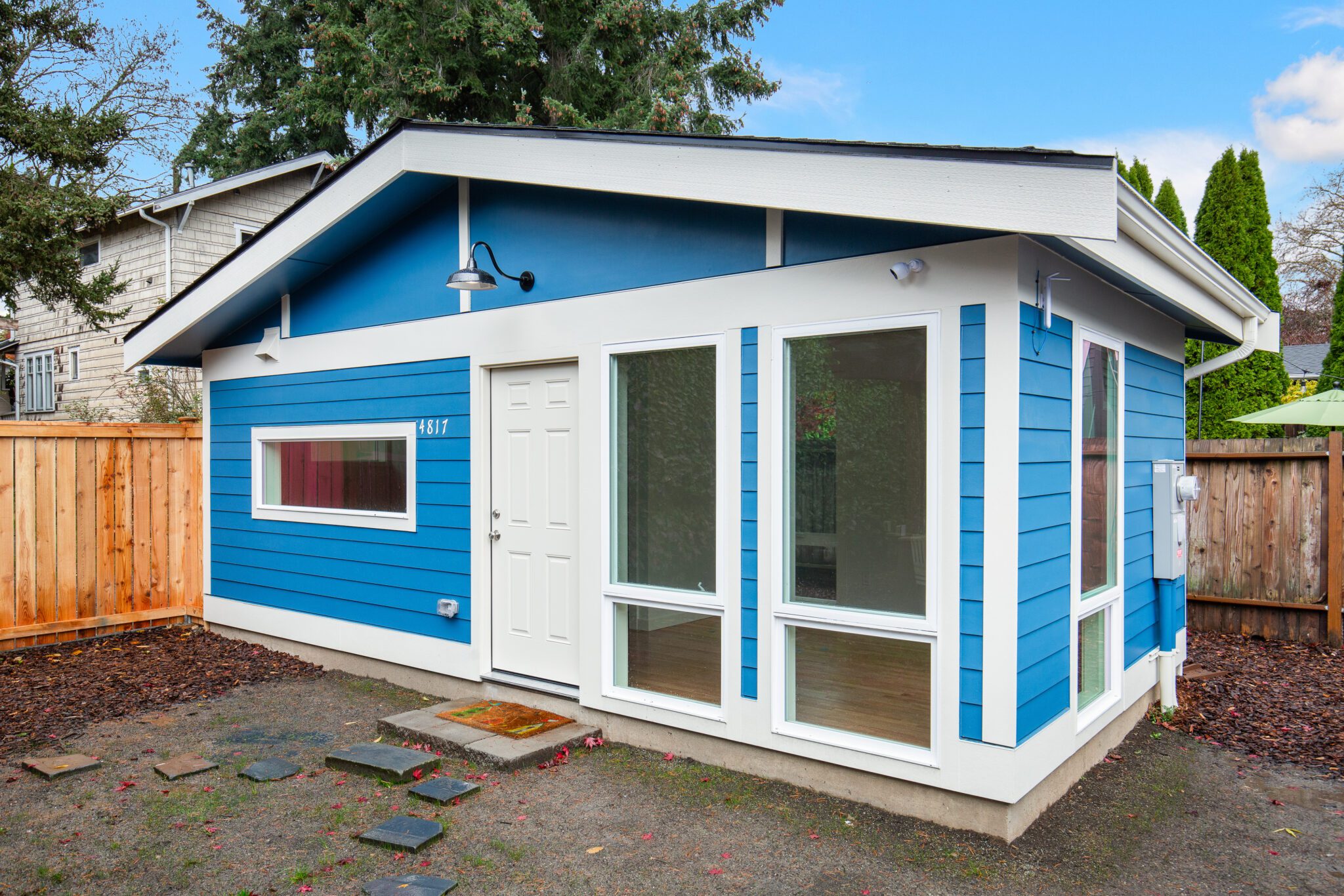
Understanding ADU and Its Benefits
Before we delve into the building process, it is crucial to understand what an ADU is and why it has become a popular choice for homeowners in Los Angeles County.
:max_bytes(150000):strip_icc()/accessory-dwelling-unit-adu.asp-Final-b8c1a331e7bc407fb442799ed94c38ae.jpg)
What is an ADU?
An Accessory Dwelling Unit (ADU) is a secondary housing unit on a single-family residential lot. They can be detached (a separate building in a backyard), attached to or located within the primary residence, or a garage conversion. ADUs are independent units that include their own kitchen, living area, and separate entrance.

Benefits of Building an ADU
There are several benefits associated with constructing an ADU on your property:
- Additional income: Renting out the ADU can provide a steady source of income.
- Increased property value: The addition of an ADU can significantly increase the value of your property.
- Flexibility: ADUs can serve various purposes, such as housing for a relative, a home office, or a guest suite.
- Affordable housing solution: ADUs provide an affordable housing solution in a high-cost living area like Los Angeles County.
- Navigating zoning laws: Zoning laws can be complex and confusing. Hiring a knowledgeable real estate attorney can help you navigate this process.
- Permit acquisition: Getting the necessary permits can be time-consuming. However, patience is key, and hiring professionals who are familiar with the process can help expedite it.
- Budgeting: Building an ADU can be costly. It’s important to plan your budget carefully and account for unexpected expenses.
Now that we understand the ADU and its benefits, let’s explore the step-by-step process of building one.
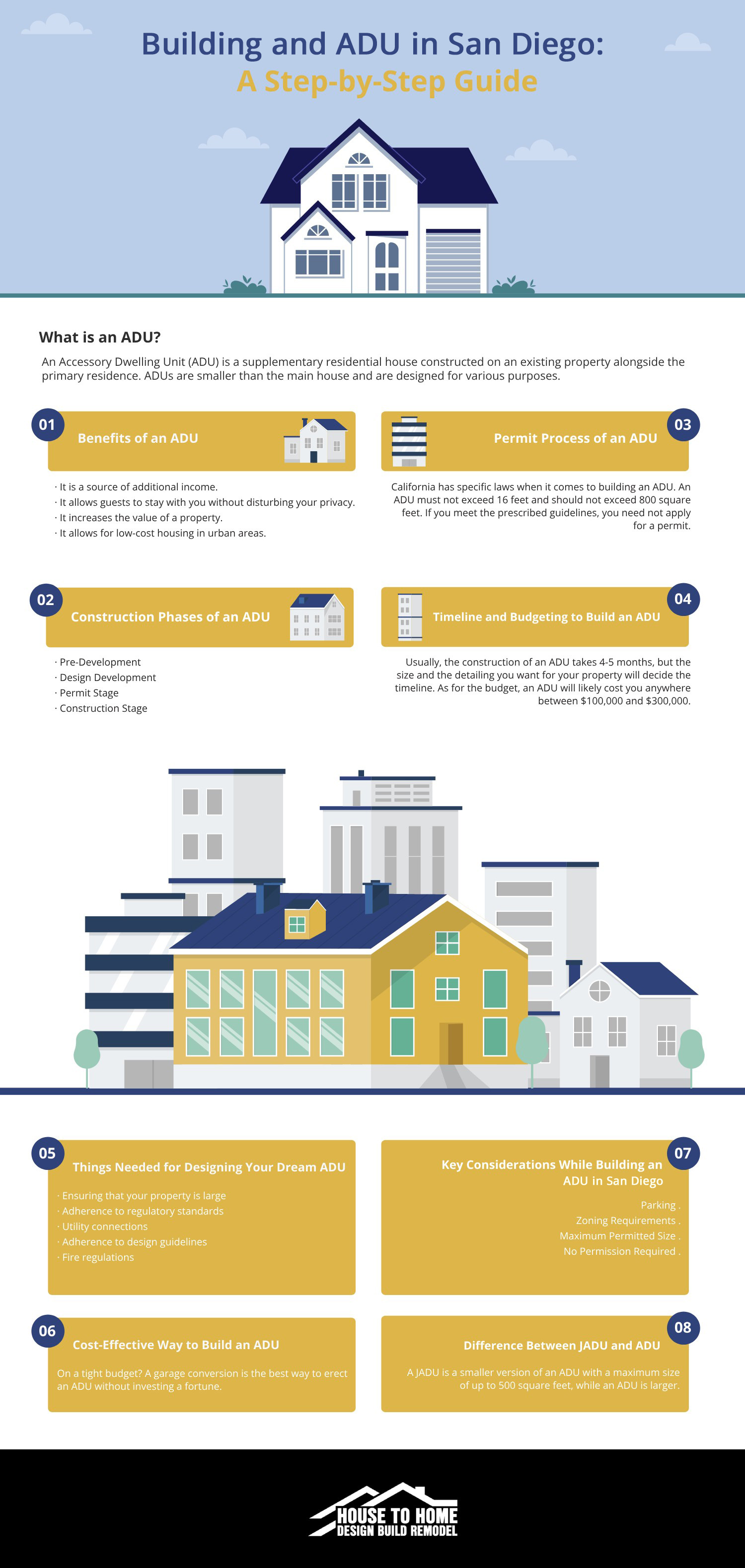
Step-by-Step ADU Building Process
Understanding Zoning Laws
First and foremost, it’s essential to understand the local zoning laws in Los Angeles County. Zoning laws regulate the use of a property and what can be built on it. They can determine the size, location, and type of ADU that can be constructed on your property.
Hiring a Professional Team
Building an ADU is a significant project, and it’s recommended to hire a professional team, including an architect, contractor, and possibly a real estate attorney. These professionals will help ensure your project complies with local codes and regulations, is well designed, and is efficiently constructed.
Designing the ADU
You’ll need to work closely with your architect to design the ADU, taking into consideration factors like the size and layout, integration with the main house, and your budget.
Obtaining Permits
Once the design is finalized, the next step is to apply for the necessary permits. In Los Angeles County, this includes a building permit, electrical permit, plumbing permit, and possibly others, depending on the specifics of your project.
Construction
After obtaining the necessary permits, the construction phase begins. It’s essential to stay in close communication with your contractor during this phase to ensure the project stays on schedule and within budget.
Inspection and Final Approval
After construction is completed, the ADU will need to be inspected by the Los Angeles County Department of Building and Safety to ensure it complies with all building codes and regulations. Once it passes inspection, you’ll receive final approval to use the ADU.
Navigating Challenges in the ADU Building Process
Building an ADU in Los Angeles County can come with its own set of challenges. Here are some common obstacles and how to navigate them:
Conclusion
Building an ADU in Los Angeles County, while a complex process, can be a highly rewarding investment. With the right planning, a competent team, and a thorough understanding of local regulations, you can successfully construct an ADU that adds value to your property and serves your needs.
By following this comprehensive guide, you’re one step closer to mastering the ADU building process in Los Angeles County. Whether you’re a homeowner looking to create a passive income stream or simply needing more space for your growing family, an ADU can provide a practical and profitable solution.